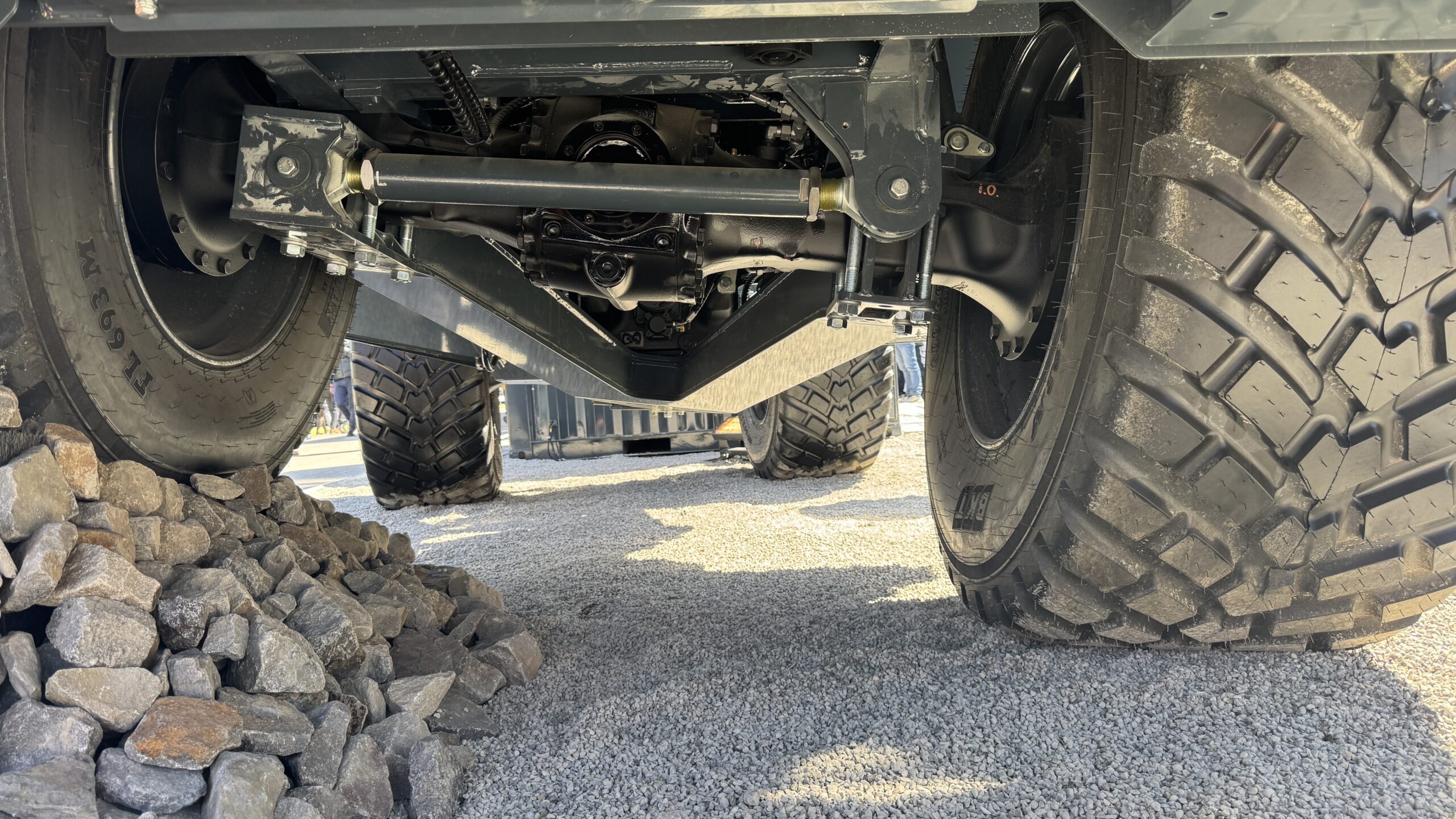
The Four Habits That Protect Your Undercarriage
If you’ve ever looked at a fleet maintenance report and wondered where a significant share of the budget goes, look at the undercarriage. On tracked heavy equipment, the undercarriage can account for up to half of total lifetime maintenance costs, making undercarriage maintenance an important consideration when calculating tracked equipment operating costs.
That number gets attention for a reason. Undercarriage components, including tracks, rollers, idlers, sprockets, pins and bushings, experience wear every time a machine travels. Replacing those components can be expensive, but much of that wear can be managed through proper operation and maintenance.
Four habits, in particular, can help extend undercarriage life and keep avoidable wear from becoming an expensive repair.
1. Keep Track Tension in Spec
Track tension is one of the most important factors in undercarriage life, and it’s also one of the easiest to overlook. When tracks are too loose, excessive movement can increase wear on pins, bushings, rollers and sprockets. Tracks that are too tight can place additional loads on undercarriage components and increase wear.
The required track tension can vary with operating conditions and debris accumulation around the undercarriage. That’s why track tension shouldn’t be treated as a set-it-and-forget-it adjustment.
If the machine doesn’t have an automatic tensioning system, track tension should be checked according to the manufacturer’s recommended inspection and maintenance schedule. Making that check part of a regular walkaround can help catch problems before they accelerate component wear.
For machines equipped with automatic track tensioning, the system can take some of that maintenance burden off the operator. Bergmann’s C912s, for example, uses automatic track tensioning to continuously manage track tension during operation.
2. Clean the Undercarriage Regularly
Mud, clay and other debris can accumulate around the undercarriage and contribute to accelerated wear. When abrasive material works its way between moving components, it can increase friction and wear as the track cycles.
The risk is particularly high when working in wet, muddy or clay-heavy conditions. Demolition and other applications that generate debris can create additional challenges as well.
Cleaning accumulated material from the undercarriage regularly helps keep components moving as intended and makes it easier to spot developing problems. Follow the equipment manufacturer’s recommendations for cleaning methods and frequency, particularly when using pressure washers.
It’s an easy step to skip at the end of a long shift, but regular undercarriage cleaning can help prevent accumulated debris from contributing to premature wear.
3. Match Ground Speed and Turning to the Terrain
How a machine is operated has a direct effect on undercarriage wear. High travel speeds, aggressive turning and unnecessary counter-rotation can increase the loads placed on tracks and other undercarriage components.
Operators can reduce that stress by adjusting their driving habits to the conditions. Slow down when traveling over rough terrain, avoid unnecessary high-speed turns and use gradual steering inputs when conditions allow. On hard or abrasive surfaces, minimizing unnecessary turning and track spinning can also help reduce wear.
These adjustments don’t require additional equipment or downtime. They simply require operators to consider how their movements affect the machine beneath them.
4. Inspect Before Small Problems Become Expensive Ones
Undercarriage wear tends to develop gradually, giving operators and maintenance teams opportunities to catch problems before they become major repairs.
A regular inspection can reveal signs such as uneven wear, damaged or loose components, excessive track movement or unusual noises during operation. Following the manufacturer’s inspection and measurement recommendations can provide an even clearer picture of component condition and remaining service life.
This matters because undercarriage components don’t operate independently. A worn or damaged component can contribute to additional wear elsewhere in the system. Catching the problem early can help prevent a relatively small repair from developing into a much larger undercarriage job.
The Bottom Line
Protecting an undercarriage doesn’t always require a major maintenance investment. Consistent attention to track tension, cleanliness, operating technique and inspection can go a long way toward managing wear and maximizing component service life.
Equipment design can also make some maintenance tasks easier to manage. Features such as automatic track tensioning can help maintain proper tension without relying entirely on manual adjustments, adding another layer of protection for machines working in demanding conditions.
When evaluating a tracked machine, consider more than its upfront specifications. Ask how the undercarriage is designed, what maintenance it requires and what features are available to help operators and maintenance teams manage wear over the machine’s working life.
Want to learn more about Bergmann’s approach to tracked equipment? Explore the C912s and see how its purpose-built design and operator-focused features can support demanding jobsites.