
Track Tension Explained: Why It Matters and How Auto-Tensioning Is Changing Undercarriage Maintenance
For operators working in demanding jobsite conditions, undercarriage performance can make or break productivity. One of the most overlooked, but critical factors, is track tension. Proper tension impacts everything from wear life to machine uptime, and advances in automation are changing how it’s managed.
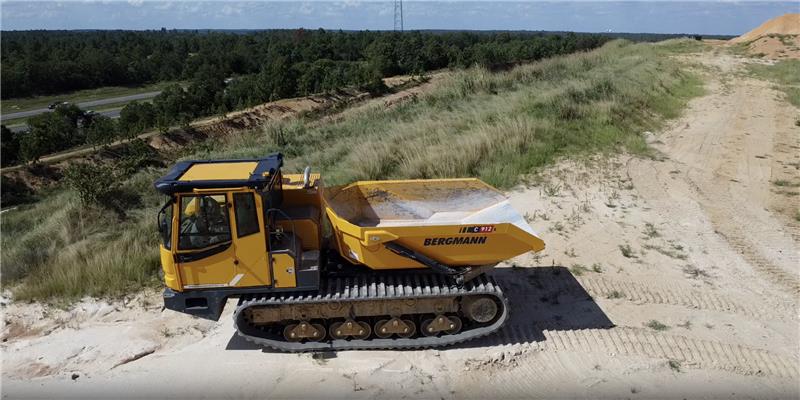
Here’s a practical breakdown of what track tension is, why it matters, and how automatic systems, like the one on the Bergmann C912s, help reduce maintenance burden and improve performance.
What Is Track Tension?
Track tension refers to how tightly a rubber track is stretched around the undercarriage components, including the drive sprocket, idler, and rollers. Proper tension ensures smooth travel, even weight distribution, and reduced stress across the system.
Too loose, and you risk de-tracking and unstable machine behavior. Too tight, and you accelerate wear on the track, rollers, and idlers. Both conditions drive up maintenance costs and reduce reliability, and the margin between them is narrower than most operators realize.
Why Manual Adjustment Falls Short
On most standard machines, track tension is managed through a grease-filled hydraulic adjuster. Operators manually add or release grease to move the idler and dial in the correct tension. It works, but it demands time, consistency, and attention that fast-moving jobsites don’t always allow.
A single adjustment can take 15 to 30 minutes per machine. Across a fleet or a full workday, that lost time adds up fast.
The challenge is compounded by the fact that track tension doesn’t stay constant throughout the day. Mud, clay, and debris pack into the track and rollers throughout the day, temporarily altering tension in ways that often go unnoticed until wear or tracking problems appear. In demanding environments, tension should ideally be checked daily, sometimes more often, which creates a real burden for operators and fleet managers alike.
How the Bergmann C912s Solves the Problem
The Bergmann C912s features an automatic track tension system that takes the guesswork out of the equation. Using hydraulic pressure, the system continuously maintains optimal tension during operation, adapting to conditions without requiring manual intervention.
When the machine shuts down, the system automatically reduces pressure, relieving stress on the track and undercarriage components during idle periods. This helps extend service life and prevents the kind of incremental wear that accumulates when machines sit under unnecessary tension overnight or between shifts.
The Result: Less Wear, More Uptime
Consistent, optimal tension means more even load distribution across rollers and idlers, reduced impact stress during operation, and fewer opportunities for wear to concentrate in one area. The result is a more balanced undercarriage that lasts longer and requires less intervention.
Automatic tensioning also reduces the risk of de-tracking, one of the most common and disruptive undercarriage issues on the jobsite. Operators can work with greater confidence knowing the system is actively managing performance, rather than hoping conditions haven’t shifted since the last manual check.
For fleet managers, the benefits are just as clear: less maintenance time per machine, more predictable performance, and a lower overall cost of ownership.
The Bottom Line
Track tension may seem like a small detail, but it has a major impact on machine performance, component life, and jobsite efficiency. Automatic systems like the one on the Bergmann C912s tracked dumper help operators move from reactive maintenance to proactive performance management, saving time, reducing wear, and keeping machines productive where it matters most.
Proper operation and routine inspections still matter. But with one less variable to manage, operators can stay focused on the work at hand. See how automatic track tension improves uptime.