Why Three-Way Dumping Matters on Tight Urban Jobsites
On a crowded construction site, moving material from one place to another is only half the job. Getting it where it needs to go is the other half.
Buildings, trenches, temporary barriers and other equipment can limit access, making it difficult to position a dumper for every unload. Those extra maneuvers take time, especially when a crew repeats the same hauling cycle throughout the day. A machine's payload matters, but so does how efficiently it can deliver material to the work area.
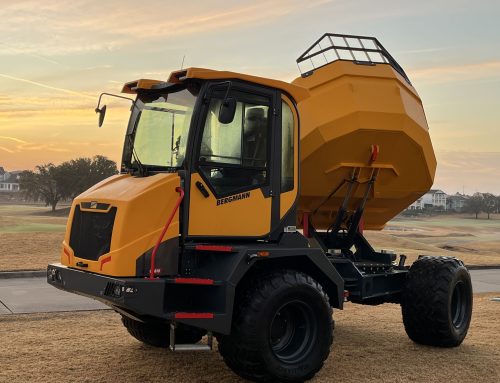
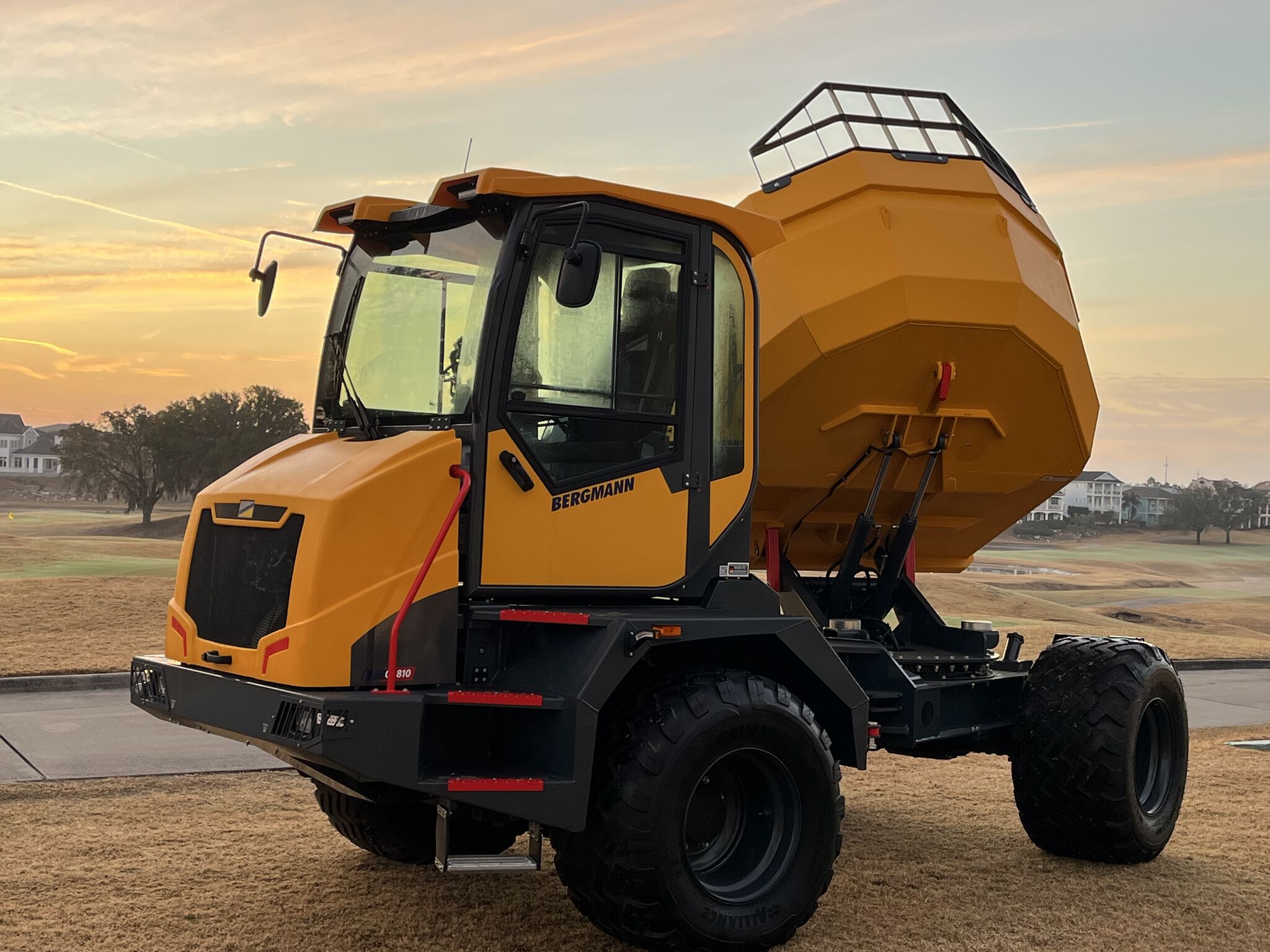
For contractors working in tight spaces, where a compact dumper is often already the right call, a three-way dumper offers another option. By allowing material to discharge to the rear or either side, it gives operators more flexibility when positioning the machine is a challenge. Depending on the site layout, that flexibility can reduce repositioning and help keep material moving.
Payload Is Only Part of the Productivity Equation
Payload matters. The more material a machine can carry per trip, the fewer trips a crew may need to complete a hauling task.
But hauling efficiency depends on more than capacity. Each cycle involves loading, traveling, positioning, unloading and returning for the next load. If unloading requires additional maneuvering, that time becomes part of every cycle.
Consider a utility crew working along a trench on a narrow urban street. The dumper needs to deliver material close to the work area, but surrounding infrastructure limits the room available to turn or line up with the unloading point. If the operator must make additional adjustments before each unload, those minutes accumulate across the shift.
A larger payload doesn't eliminate the need to position the machine. In some applications, a dumper that can discharge material from more than one direction may help the crew complete each cycle with less maneuvering.
The question isn't only how much material a dumper can carry. It's how efficiently the crew can deliver that material where it's needed.
How Three-Way Dumping Can Reduce Repositioning
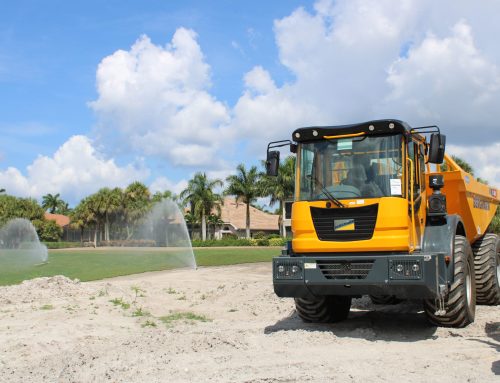
A conventional rear-tip dumper discharges material behind the machine. Depending on the site layout, the operator may need to align the dumper with the unloading area before raising the skip.
A three-way dumper adds the option to discharge to either side. This can be useful when the machine cannot easily turn around or align directly with the drop point.
On a constrained urban jobsite, that flexibility may reduce the adjustments needed between arriving with a load and placing it. The operator can potentially approach from a more practical angle and discharge toward the work area without having to position the machine exactly as a rear-tip application would require.
Three-way dumping may be particularly useful for:
- Utility and trenching work: Delivering backfill or other material alongside narrow work zones.
- Road and streetscape projects: Placing material where curbs, barriers and surrounding infrastructure limit maneuvering room.
- Confined construction sites: Working around adjacent structures, temporary barriers and other equipment.
- Material distribution: Delivering loads at multiple points along a work area where the best approach varies by location.
The benefit depends on the layout, material and unloading requirements. Three-way dumping doesn't eliminate every maneuver, but it gives operators more options when planning how to approach and unload at each location.
The Math: How Small Time Savings Add Up
The time spent positioning a dumper can add up across a full shift. The potential impact depends on how often a machine needs to be repositioned and whether a three-way configuration can simplify the process.
Consider a hypothetical example: a crew completes 20 unloading cycles in a day. If discharging to the side saves two minutes of positioning time per cycle, the calculation looks like this:
20 cycles × 2 minutes saved = 40 minutes per day
Over a five-day workweek, that's 200 minutes, or 3 hours and 20 minutes.
These figures are hypothetical, not measured performance data or a guaranteed result for Bergmann equipment. Actual savings depend on site conditions, the number of cycles, operator practices and whether three-way discharge suits the job.
Bergmann C815s: Comparing Three Dumper Configurations
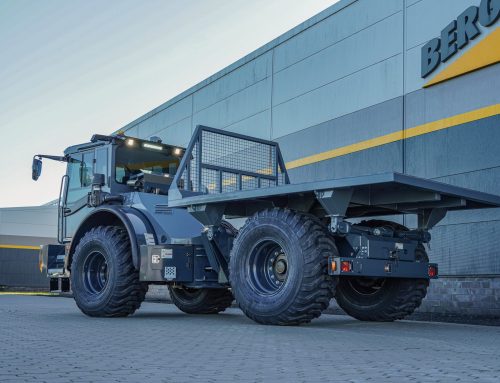
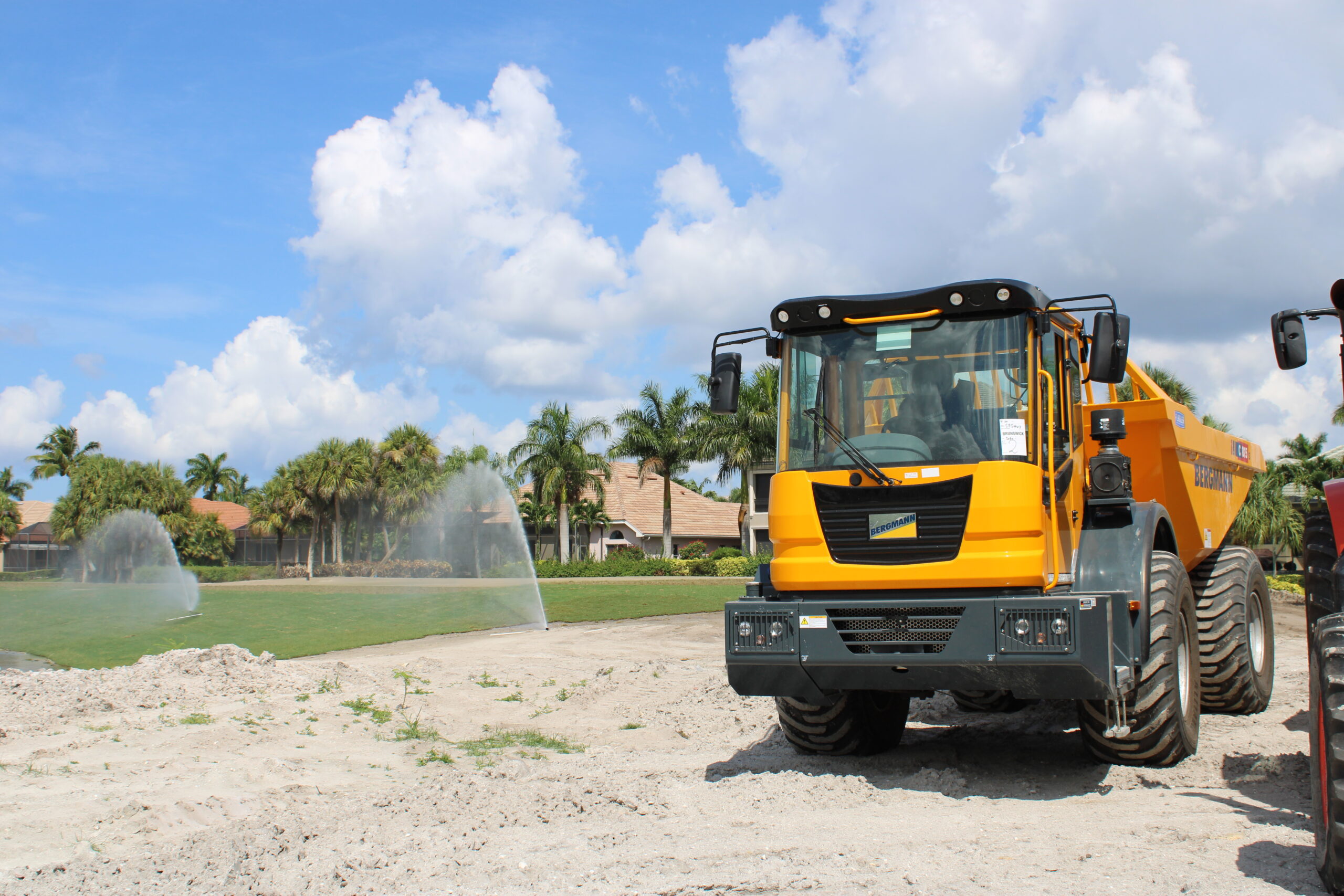
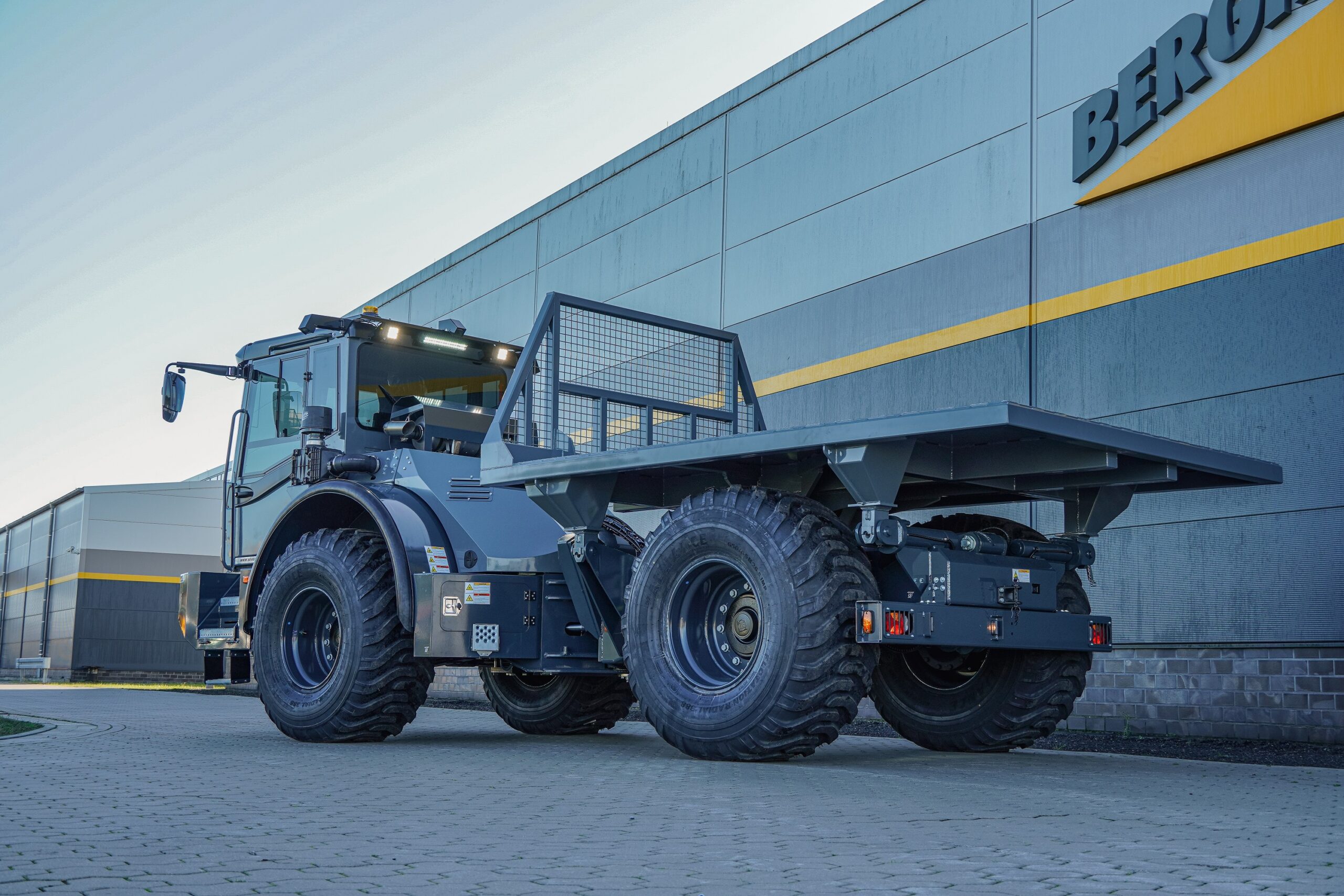
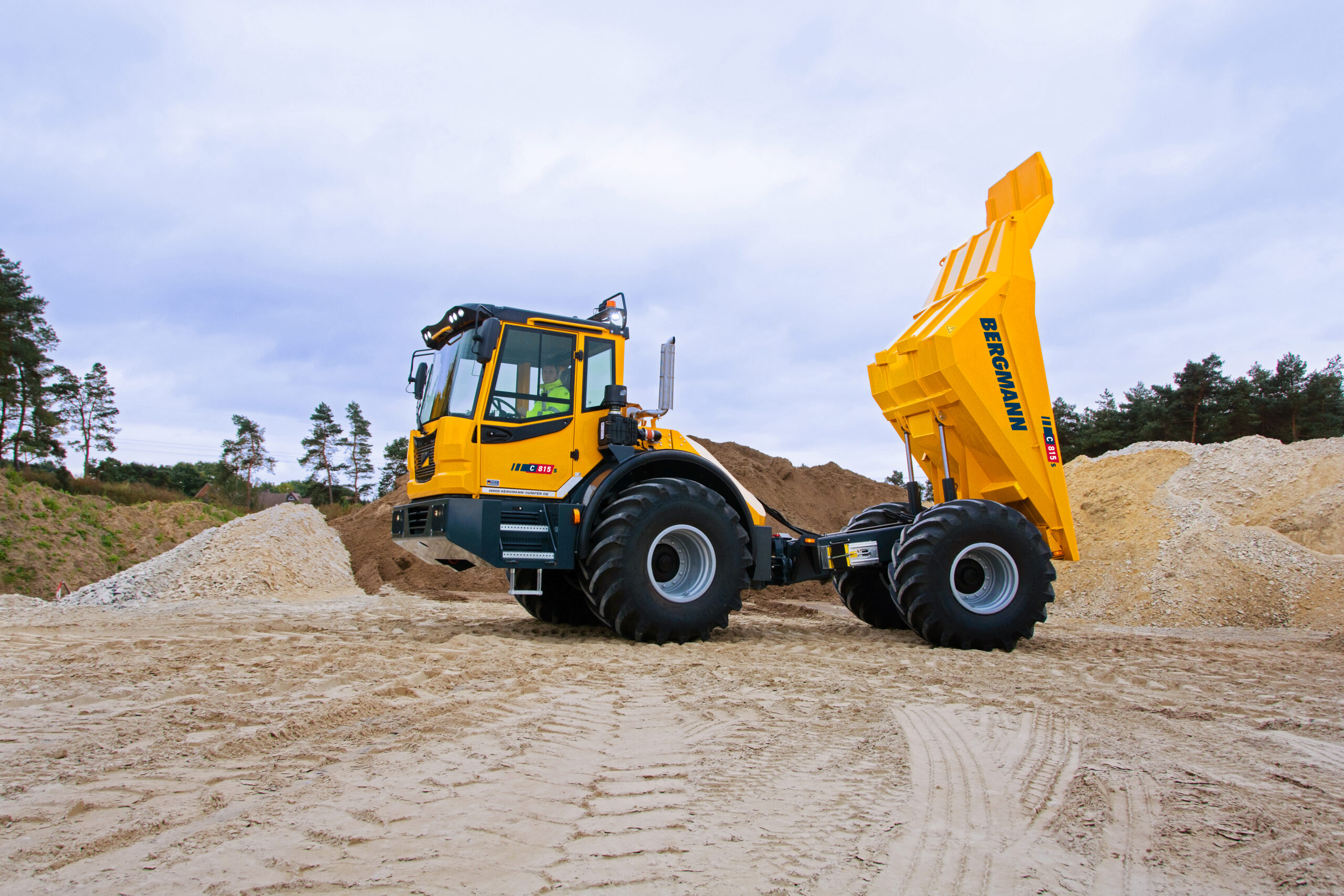
The Bergmann C815s is available in rear-tip, swivel and three-way configurations. All three have a rated payload of 26,455 pounds and a heaped capacity of 10.5 cubic yards. Differences in dimensions and struck capacity can help contractors determine which configuration best fits their application.
Bergmann C815s specifications:
- Rear-tip dumper: 19,932 lb empty weight, 22.42 ft long, 9.50 ft wide and 8.5 yd³ struck capacity.
- Swivel dumper: 24,422 lb empty weight, 23.39 ft long, 9.01 ft wide and 8.5 yd³ struck capacity.
- Three-way dumper: 21,958 lb empty weight, 24.91 ft long, 9.06 ft wide and 5.5 yd³ struck capacity.
These differences matter when evaluating equipment for a specific job.
The three-way configuration has a lower struck capacity than the rear-tip and swivel models: 5.5 yd³ compared with 8.5 yd³. All three configurations have a listed heaped capacity of 10.5 yd³ and a rated payload of 26,455 lb. These figures describe different aspects of a load, so contractors should consider both the material's volume and weight when evaluating capacity for a particular application.
The three-way configuration is also approximately 2.5 feet longer than the rear-tip model. Its width, however, is about 5 inches narrower. On a constrained site, contractors should consider whether the additional length affects access and maneuverability, and whether the ability to discharge in multiple directions can reduce positioning requirements.
The swivel configuration offers another option for placing material off-center. It is shorter than the three-way model and has the same struck capacity as the rear-tip configuration, but it has a higher empty weight. The best choice depends on the unloading locations, material requirements and available space.
Before selecting a dumper, consider:
- Site access: How much room is available to turn, reverse and position the machine?
- Unloading locations: Does material need to be placed behind the machine, alongside it or in several directions?
- Cycle frequency: How often will the same hauling and unloading process repeat?
- Material requirements: What payload and volume are needed per trip, given the material's density?
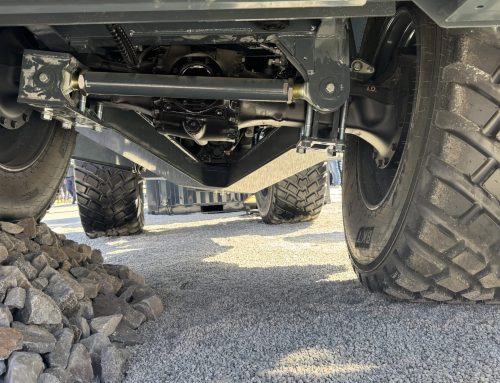
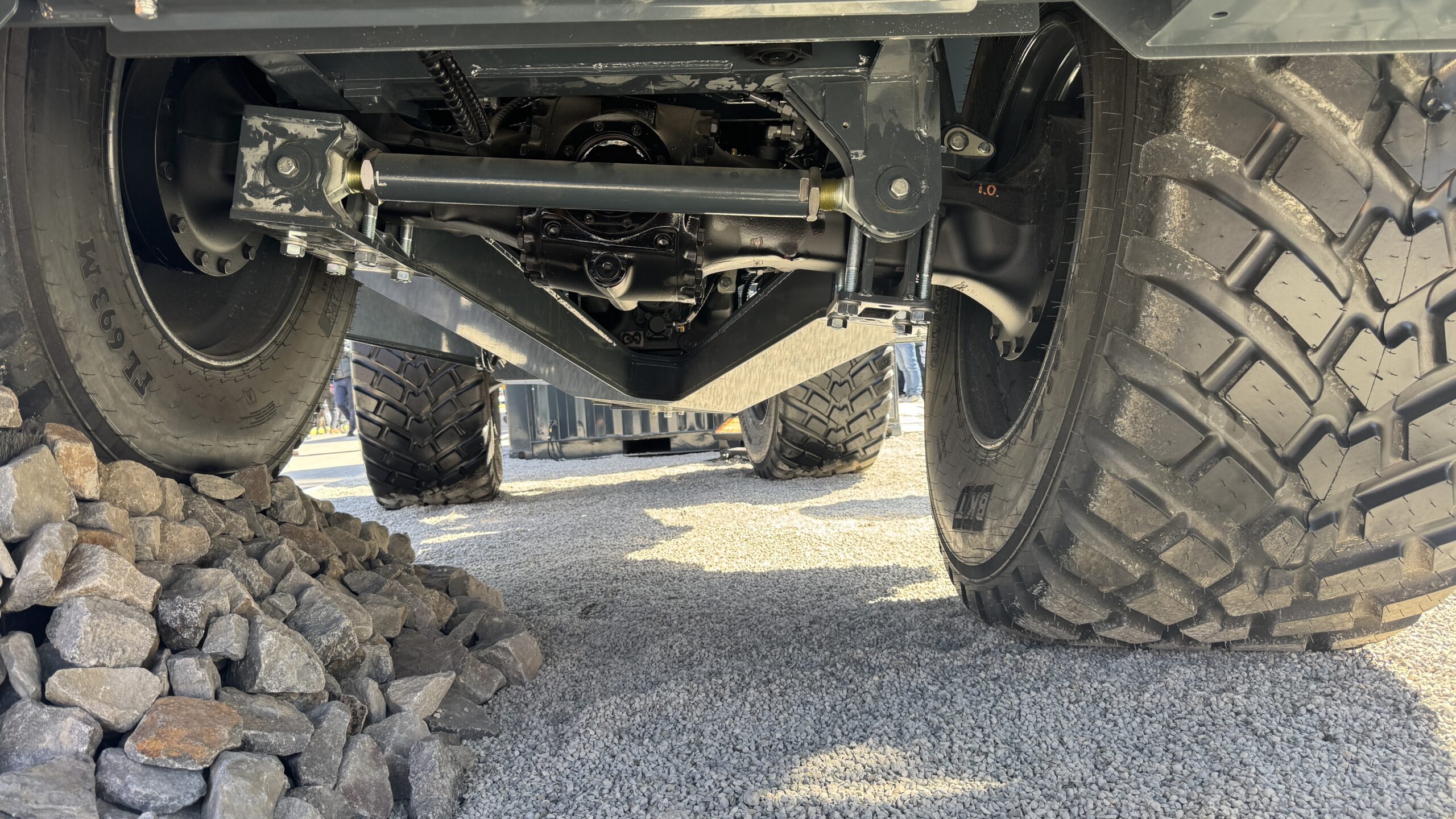
- Ground conditions: What traction, stability and ground-pressure requirements apply to the site, and is a tracked or wheeled dumper the better fit?
Comparing these factors helps contractors evaluate the full hauling cycle rather than relying on payload alone.
Choose the Configuration That Fits the Work
Three-way dumping isn't the best solution for every project. Where there's plenty of room for straightforward rear unloading, a rear-tip configuration may be the more practical choice. Other applications may benefit from the swivel configuration's ability to direct material off-center.
On urban jobsites where access is limited and unloading points vary, however, the ability to discharge in multiple directions deserves consideration.
When comparing dumper configurations, look beyond payload. Consider how the machine will fit the site, handle the material and move through the entire hauling cycle.
Explore the Bergmann C815s to compare configurations, or find a dealer to talk through your next project.