Compact Dumper Safety: What Every New Operator Should Know
New compact dumper operators tend to have the same questions: What should I actually check before my first shift? How much weight is too much? What’s the right way to handle a slope I’ve never driven before?
Those questions are worth asking. They show that new operators want to understand their equipment, follow proper procedures and get the job done safely. But operators shouldn’t have to piece together best practices on their own. A more direct path starts with three things: learn the machine, follow the manual and build good habits before you ever move a load.
Whether you’re new to operating compact dumpers or getting familiar with a new machine, these fundamentals can help you build good habits from the start.
Get Familiar With the Machine Before You Start
Before operating any compact dumper, take time to understand the machine and its controls. Controls, visibility, steering, braking, tipping functions and other features can vary from one model to another.
Review the operator’s manual and make sure you understand:
- How to start and stop the machine
- How the steering and drive systems operate
- How to engage the parking brake
- How to operate the dumper body
- Where the emergency controls are located
- What warning lights and indicators mean
- Where daily inspection and maintenance points are located
Operators should also complete any required training before operating the machine on the jobsite.
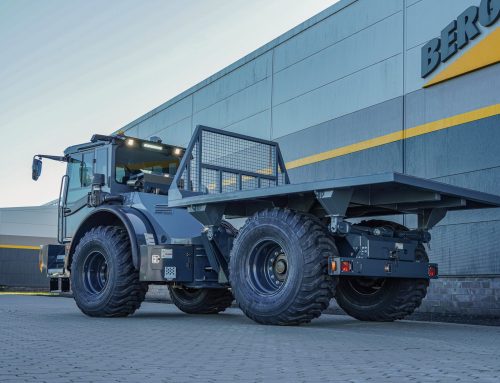
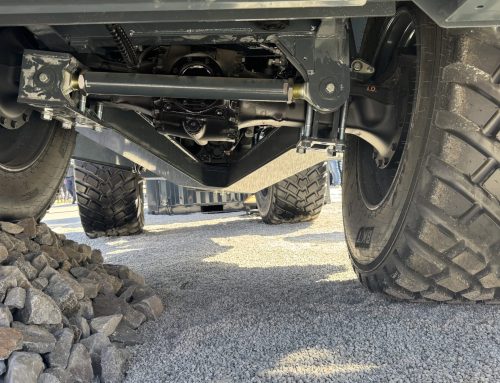
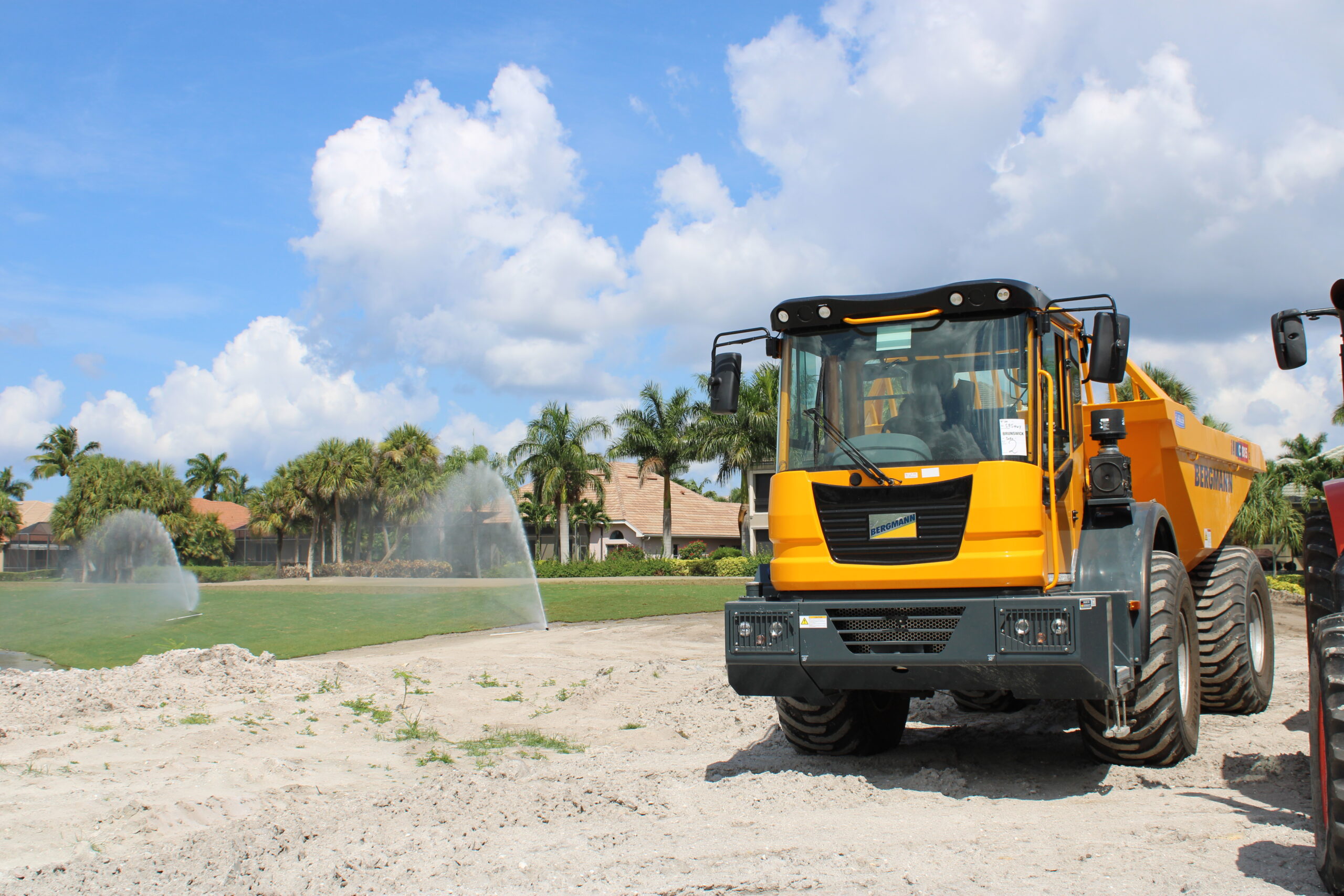
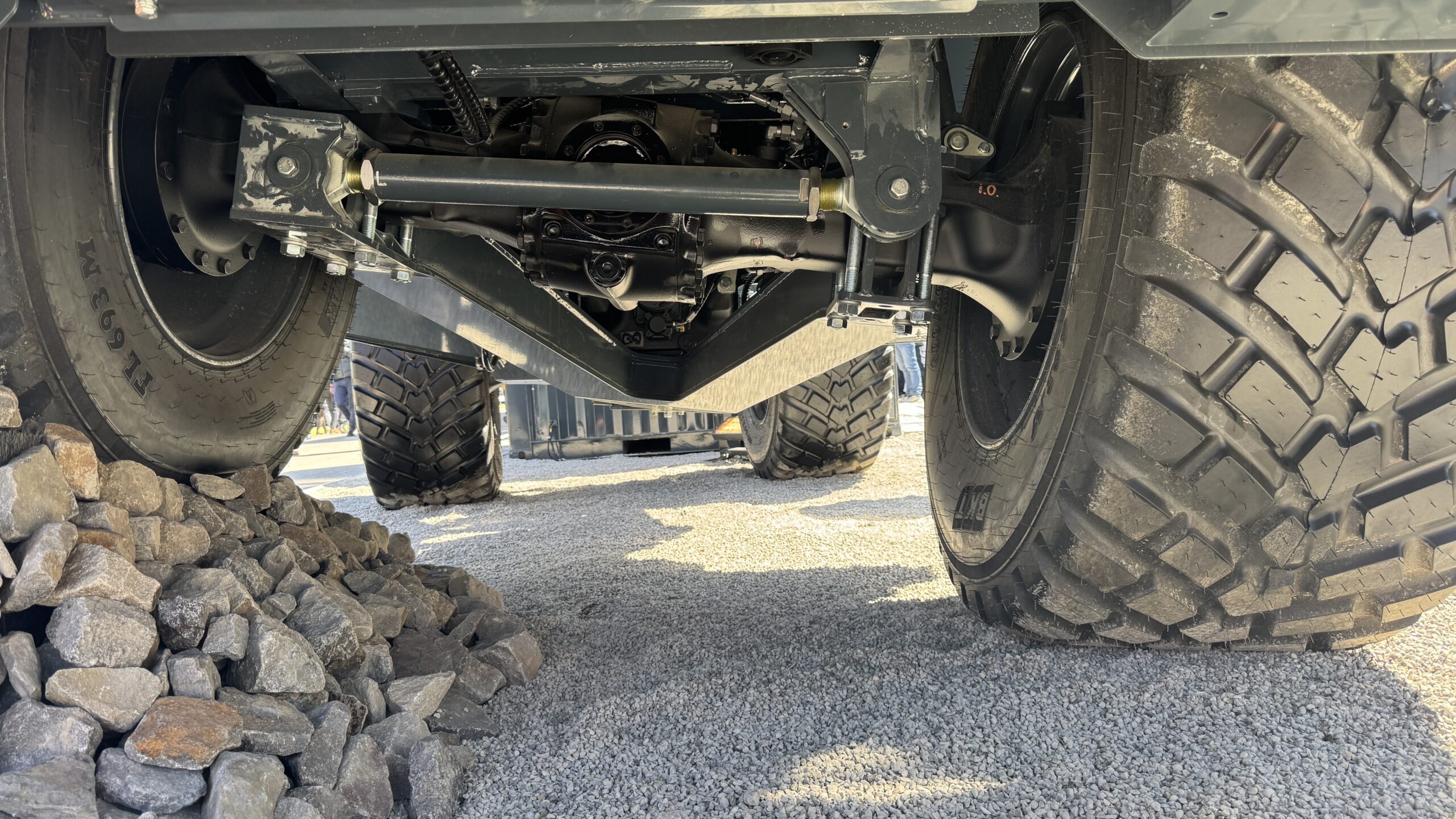
For example, the Bergmann C805s features hydrostatic all-wheel drive, articulated steering and a pendulum joint designed to help the machine handle uneven terrain. Knowing how these systems affect machine movement can help operators become more comfortable and confident behind the controls.
Complete a Pre-Operation Inspection
A quick inspection before each shift can help identify problems before they become bigger issues on the jobsite.
Follow the inspection procedures outlined in the operator’s manual and check the machine for issues involving:
- Tires or tracks
- Brakes
- Steering
- Lights and warning indicators
- Hydraulic systems
- Fluid levels
- Safety equipment
- Dump body and related components
- Steps, handrails and access points
If something doesn’t look or feel right, don’t assume the machine is safe to operate. Follow your company’s procedures for reporting the issue and taking the machine out of service if required.
A few minutes of inspection can help identify a problem before it affects the day’s work.
Know Your Surroundings
Compact dumpers are often used where space is tight, which makes visibility especially important.
Before moving, check the area around the machine for people, equipment, obstacles, drop-offs and other potential hazards. Continue monitoring the area as conditions change throughout the shift.
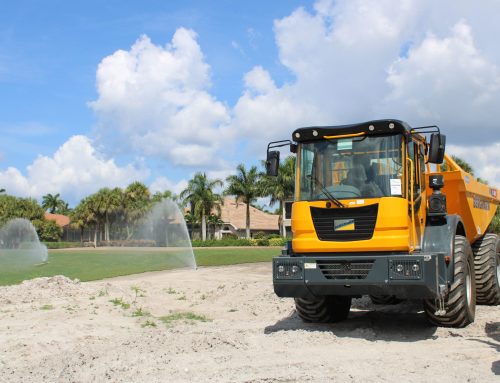
Good visibility can be an important advantage when operating compact equipment. The Bergmann C805s, for example, is designed with a 360-degree view of the working area, while its compact dimensions help operators maneuver on smaller construction sites.
Even with good visibility, never assume the area is clear. Use cameras, mirrors, spotters or other site-required visibility measures when appropriate.
Understand How the Machine Handles Different Terrain
A compact dumper may be built to work across challenging terrain, but that doesn’t mean every surface or slope should be approached the same way.
Operators should understand how factors like these affect stability, traction and handling:
- Slopes
- Uneven ground
- Mud
- Loose material
- Wet surfaces
- Soft ground
- Obstacles
- Loading conditions
Slow down when conditions call for it, and follow the manufacturer’s operating limits and the site’s safety procedures. Before operating on a slope or uneven surface, consider the grade, ground conditions, load and direction of travel, and make sure they fall within the machine’s operating limits.
On the Bergmann C805s, all-wheel drive and the articulated pendulum joint are designed to support traction and stability on difficult terrain. The C912s track dumper uses two hydrostatic drive trains and a hydraulic parking brake to support operation on challenging terrain and inclines.
Machine capability matters, but operators still need to evaluate site conditions before getting underway.
Respect the Load
Knowing the machine’s rated capacity is essential.
Never assume that because material fits in the dump body, the machine can safely carry it. Different materials have different weights, and the type, weight and distribution of the load can affect how the machine handles.
Know the machine’s rated payload and follow the manufacturer’s loading requirements. Keep loads evenly distributed and avoid loading material in a way that exceeds the machine’s capacity or obstructs the operator’s visibility.
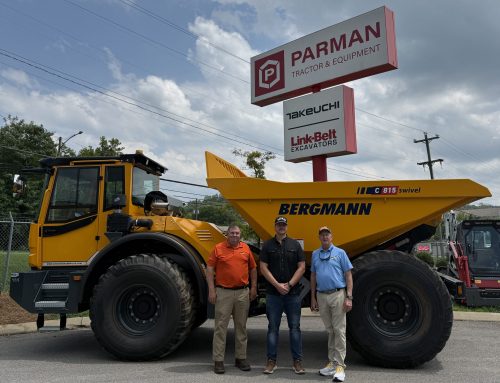
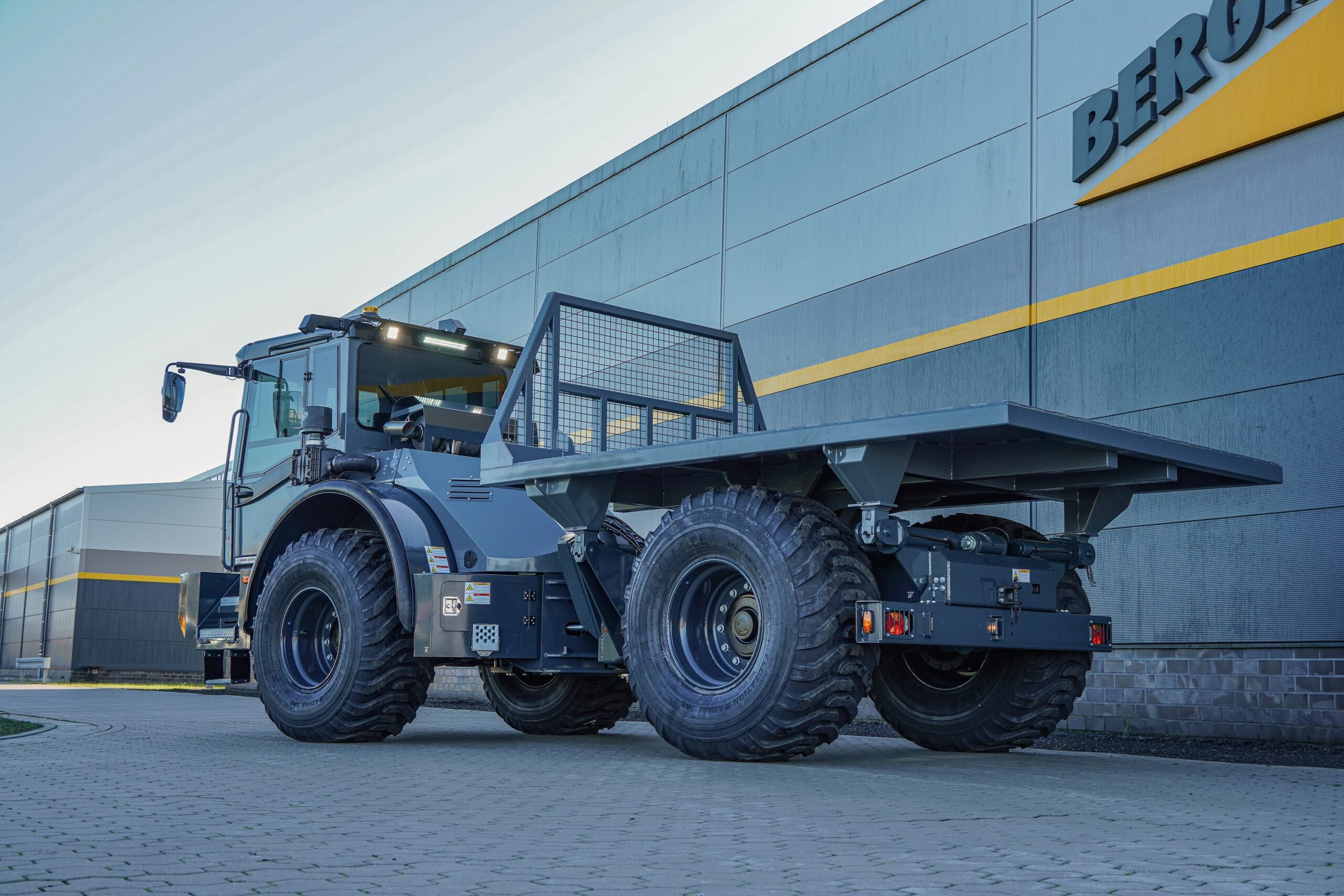
For reference, the Bergmann C805s has a rated payload of 9,900 lbs, while the C815s has a payload of 26,455 lbs. Specifications can vary by model and configuration, so always check the documentation for the specific machine you’re operating.
Take Extra Care When Dumping
Dumping is one of the most important parts of operating a dumper safely.
Before raising the dump body, assess the surrounding area and confirm that the unloading location is appropriate for the machine, material and site conditions. Check for unstable or soft ground, slopes, drop-offs, overhead obstacles and other hazards that could affect the machine during dumping.
Pay attention to:
- Ground conditions, including soft or unstable areas
- Slopes, drop-offs and dump-point edges
- Overhead obstacles
- Nearby workers and equipment
- The machine’s position and stability
- The location and condition of the area where material will be unloaded
Never allow people into an unsafe area around the machine while loading, transporting or unloading material.
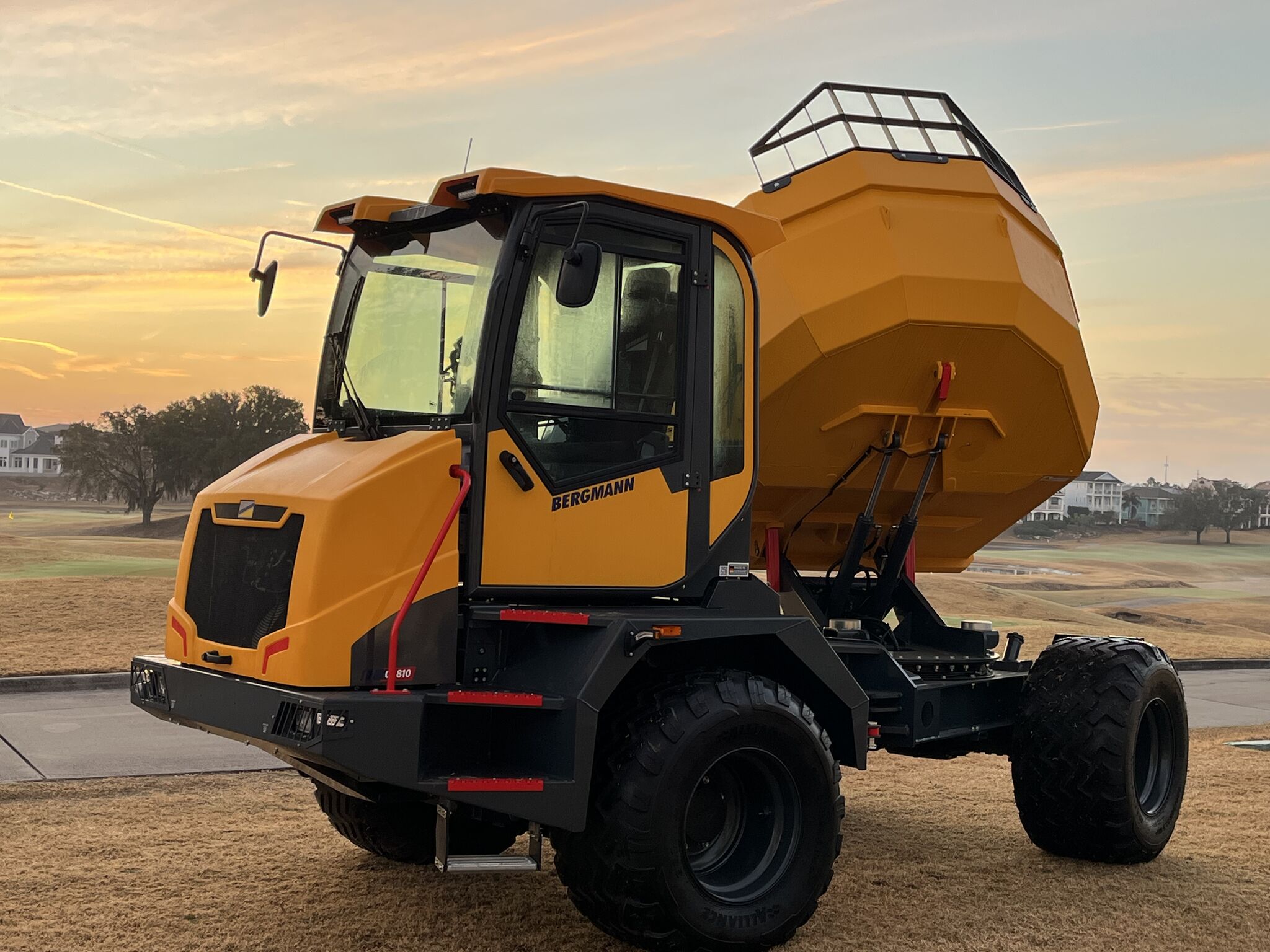
Some Bergmann dumpers are available with swivel or three-way tipping capabilities, allowing operators to unload material in different directions when site conditions require it. These features can be useful on confined jobsites, but operators should understand the specific operating procedures and limitations for the machine they’re using.
Make Entry and Exit Part of Your Safety Routine
Getting on and off the machine is another opportunity to build good habits. Use designated access points, maintain three points of contact, and keep steps and handrails clean and free of debris.
Bergmann cab entry and exit points are designed to provide a comfortable climb for both rubber-tired and tracked machines. Operators often describe entry and exit as straightforward and easy to navigate. This can be particularly important when operators are getting in and out multiple times per shift, especially in challenging weather conditions.
Never jump from the machine, especially on surfaces that may be wet, muddy or slippery.
Keep People Clear of the Machine
Construction sites can change quickly. Workers may move into an area that was clear only moments before, and other equipment may be operating nearby.
Know the site’s traffic patterns, designated pedestrian areas and communication procedures before you begin operating. Stay aware of people working around the machine, and make sure workers know how to safely approach or communicate with the operator. Use a spotter when required by site procedures or when visibility is limited.
A compact machine still presents serious hazards to people working nearby, so don’t let its size create a false sense of security.
Know When to Ask Questions
No operator knows everything on day one.
If you’re unsure about a control, an operating condition, a load, terrain or a jobsite procedure, ask someone with the appropriate knowledge and authority before proceeding.
Experienced operators, supervisors and equipment dealers are valuable resources when you’re learning how a machine is intended to operate. Asking questions is part of learning the equipment and doing the job responsibly.
Build Good Habits From Day One
Operating a compact dumper safely starts before the machine ever moves. Completing inspections, staying alert to site conditions, respecting operating limits and following established procedures can all help new operators build confidence while keeping safety at the forefront.
Bergmann compact dumpers incorporate features designed to support visibility, maneuverability and performance across a range of construction applications. Whether you’re operating a compact C805s or a larger machine like the C815s, getting familiar with the specific machine’s capabilities and limitations is an important part of operating confidently.
For new operators, the approach is simple: learn the machine, follow the manual, understand the jobsite and never hesitate to ask questions.