
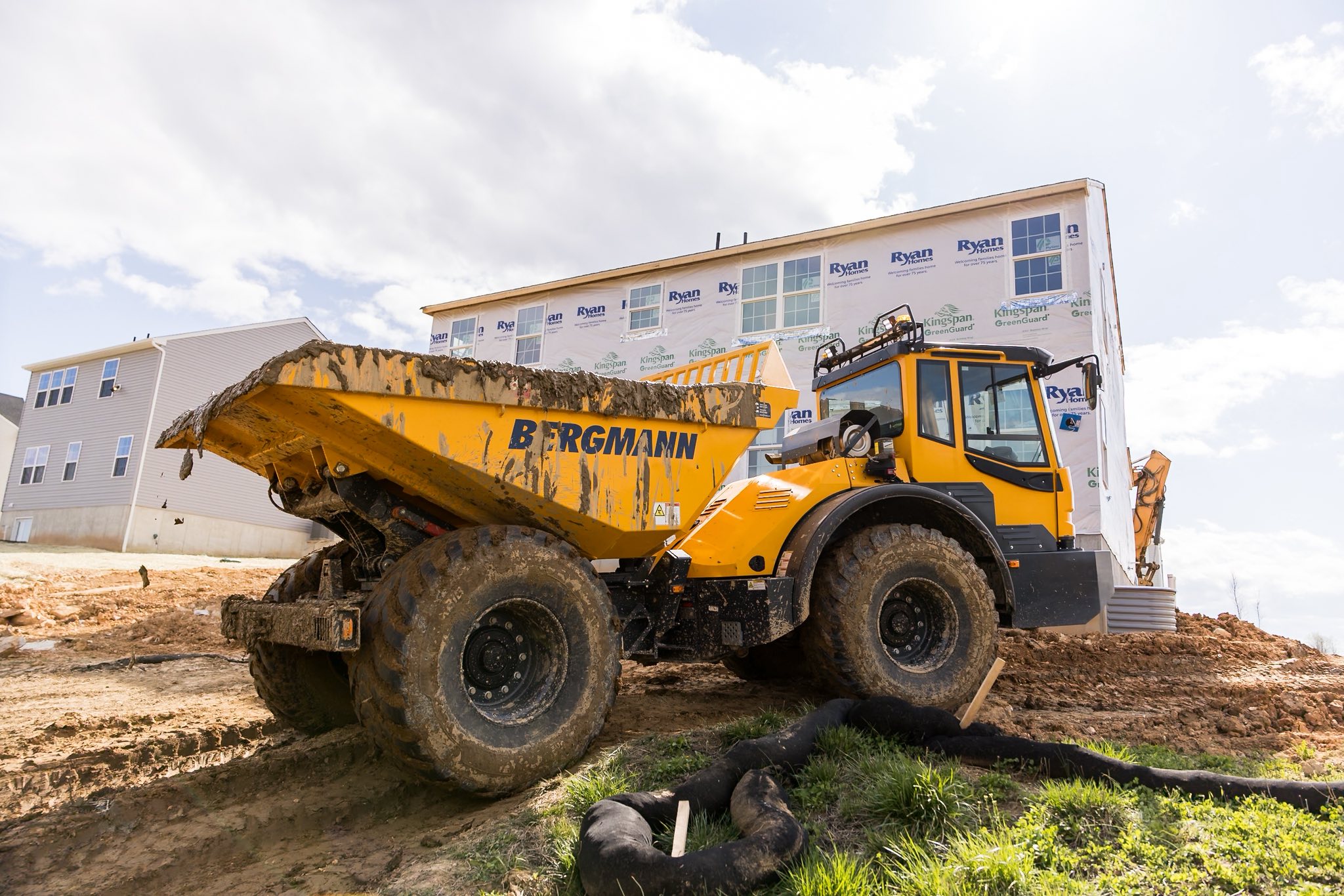
How the 4WD System on the Bergmann C815s Works — and Why It Was Designed This Way
The Bergmann C815s is engineered to handle tough jobsites with precision, control, and versatility. A key part of that performance is its part-time 4WD system paired with a mechanical transmission.
Understanding how this system works and why it was intentionally designed this way helps operators maximize efficiency, protect the drivetrain, and maintain peak performance across a wide range of applications.
How the 4WD System Works
The 4WD system on the C815s differs from many other dumpers. To engage or disengage 4WD, the machine must be placed in neutral with the parking brake set. This deliberate step is not a limitation, it's a protective design feature.
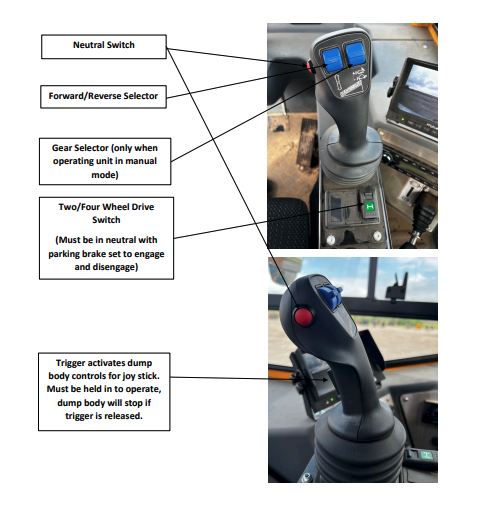
When engaged, 4WD delivers power to all four wheels. The mechanical transmission then distributes torque efficiently across the drivetrain, allowing the machine to generate higher torque at lower speeds. The result is improved pulling power, better low-speed control, and more efficient operation in demanding conditions.
Mechanical transmissions are proven over decades of use. They are:
- Durable in heavy-duty environments
- Easier to service in the field
- More versatile across varying applications
- More precise in gear control
The C815s was engineered this way to ensure operators have maximum control while reducing unnecessary drivetrain stress. It's a system built for longevity and real-world jobsite performance, not just convenience.
When Should Operators Engage 4WD
4WD should be engaged when traction is limited, including:
- Loose or sandy ground
- Mud or slick surfaces
- Thick material buildup
- Uneven or unstable terrain
- Steep grades
Engaging 4WD in these conditions ensures power is distributed to all four wheels, helping maintain stability and forward momentum.
As a rule of thumb: use 4WD when you need traction, not as a default setting.
How Load Weight Impacts Traction and Stability
Heavier loads raise the machine's center of gravity, which can increase instability, especially if the load is unevenly distributed. On a busy jobsite, loads aren't always placed perfectly, and terrain isn't always predictable.
The C815s wide tires help distribute weight more evenly, improving ground contact and stability. Engaging 4WD while hauling heavier loads further enhances traction by ensuring power reaches all four wheels when conditions demand it.
However, it's important to note: 4WD does not improve braking distance. Operators must still exercise caution when stopping on inclines or slick surfaces.
How Proper 4WD Engagement Improves Safety and Productivity
Correct 4WD usage improves both machine control and jobsite efficiency. By delivering power evenly across all wheels, the C815s can:
- Climb grades more confidently
- Reduce wheel slip
- Minimize the risk of getting stuck
- Maintain more consistent cycle times
Fewer stalled machines and reduced recovery time translate directly into higher productivity and lower downtime.
That said, unnecessary use of 4WD can increase component wear. The system is designed to be used intentionally, not constantly.
Fuel Efficiency and Drivetrain Protection
Operating in 4WD when it isn't required increases fuel consumption because additional power is needed to drive all four wheels.
Improper use can also lead to drivetrain binding. This occurs when drivetrain components are forced to rotate at slightly different speeds while mechanically locked together, creating internal stress. Over time, that stress can lead to premature wear or damage.
The C815s helps prevent this by requiring 4WD engagement only when stationary. This safeguard reduces the risk of improper use and protects critical drivetrain components.
Common Misconceptions About 4WD
One common misconception is that engaging 4WD while in motion won't harm the machine. While some systems allow this under limited conditions, part-time 4WD systems like the C815s can experience binding if engaged improperly.
By design, the C815s prevents toggling 4WD while in motion. This feature protects the drivetrain and reinforces proper operating practices.
More 4WD does not automatically mean better performance. Proper usage is what maximizes performance.
Why Some Buyers Hesitate — and Why Many Become Satisfied
Occasionally, buyers hesitate because mechanical transmissions are viewed as "old school" compared to hydrostatic systems.
In reality, mechanical transmissions are proven, durable, and highly serviceable. They provide:
- Greater torque delivery
- More direct operator control
- Reliable performance in harsh environments
For many contractors, especially those working in pipeline, utility, or remote applications, durability and serviceability outweigh convenience.
Once operators experience the control and power of the C815s on the jobsite, initial hesitation often gives way to confidence.
Best Practices for Maximizing Performance
To get the most from the C815s 4WD system:
- Engage 4WD only when traction is limited.
- Ensure loads are evenly distributed whenever possible.
- Familiarize yourself with how the 4WD system operates before using it in challenging conditions.
- Avoid unnecessary use to reduce fuel consumption and drivetrain wear.
Intentional operation leads to longer machine life and stronger jobsite performance.
Intentional Design. Proven Performance.
The 4WD system on the C815s is not automatic, and that's intentional.
Paired with a mechanical transmission, it's engineered for control, durability, and efficiency in demanding conditions. By understanding when and how to use 4WD, operators can protect the drivetrain, improve traction, and maintain productivity across even the toughest jobsites.
This is a machine built for long-term performance.