
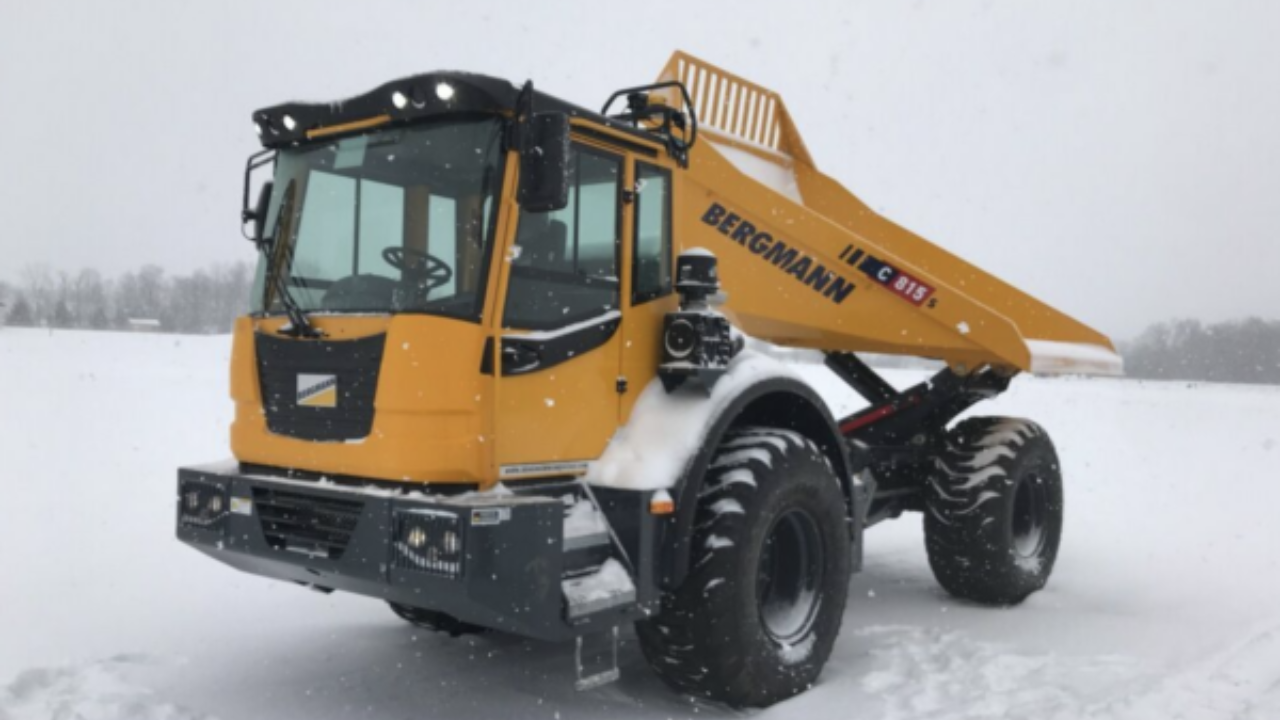
Hydrostatic Drive vs. Traditional Transmission in Winter: What Operators Need to Know
Operating heavy equipment in winter brings unique challenges, from icy haul roads to frozen job sites where traction disappears fast, and machine response can feel unpredictable. Snow, ice, and freezing temperatures can affect traction, responsiveness, and the overall performance of your machine. Choosing the right drive system, hydrostatic or traditional transmission, can make a noticeable difference on cold-weather job sites.
Here’s what operators need to know about hydrostatic drive vs transmission in winter conditions.
Hydrostatic Drive Winter Performance
Hydrostatic drive systems use hydraulic pumps and motors to deliver continuous power to the wheels or tracks. This design offers several advantages for winter operation, particularly in low-speed, high-control applications.
Many modern machines also pair hydrostatic drives with electronic traction control systems, further improving operator confidence on slick winter surfaces.
- Smooth, precise control: Hydrostatic drives allow for variable speed control without shifting gears, which is particularly helpful on slippery surfaces where small changes in speed and torque matter. Operators can make small adjustments with a pedal or joystick to reduce wheel slip instead of “hunting” between fixed gears.
- Consistent traction: Because power delivery is continuous and proportionate, hydrostatic machines can maintain traction on snow and ice, especially at low speeds and during frequent direction changes.
- Easy low-speed maneuvering: Tasks like snow clearing or grading frozen surfaces benefit from hydrostatic drives’ ability to operate at very slow, controlled speeds, without clutching or risking a stall.
Hydrostatic systems rely heavily on clean, correctly spec’d hydraulic fluid. Using fluid that is too thick for winter temperatures, or operating with contaminated fluid, can cause sluggish, noisy, or delayed response at startup. Keep hydraulic fluids at the manufacturer’s recommended viscosity grade for expected winter temperatures to maintain responsiveness and avoid sluggish operation at startup.
In extremely cold conditions, hydrostatic systems may experience efficiency losses until hydraulic oil reaches operating temperature, making proper warm-up especially important before high-load work.
Traditional Transmission Winter Operation
Traditional transmissions, whether manual, powershift, or automatic, use mechanical gears to transfer engine power to the wheels or tracks. Winter operation introduces some challenges, but can still deliver strong performance with the right setup and technique.
Many newer powershift and automatic transmissions include creep modes and electronic controls that improve low-speed control and traction in winter conditions.
- Gear shifting on slippery terrain: Abrupt gear changes or upshifts on hills can break traction, cause wheels to spin, and increase the risk of sliding, especially on packed snow or ice.
- Lower low-speed control: Some machines with standard transmissions may struggle to operate at very slow speeds without clutch slipping, stalling, or lurching, which can make fine positioning on icy surfaces harder for less-experienced operators.
- Durability considerations: Cold weather thickens gear and transmission oils, making shifting harder and increasing drag until the system warms up, particularly at first startup.
Allow the transmission to warm up before heavy use, and consider using cold-weather-specific transmission fluid to maintain smooth operation in winter. For geared machines, select a low gear before entering slick areas, use engine braking on icy slopes, and avoid mid-hill shifts to protect traction.
Comparing Control and Performance
The differences between hydrostatic drives and traditional transmissions become more noticeable in cold weather, particularly on snow- and ice-covered job sites.
| Feature | Hydrostatic Drive | Traditional Transmission |
|---|---|---|
| Low-speed control | Excellent creep and fine positioning. | Moderate; depends heavily on operator technique and clutch/throttle control. |
| Smooth power delivery | Continuous, stepless power delivery. | Step changes between gears can feel abrupt on slick surfaces. |
| Traction on snow/ice | Very good operator-friendly traction control at low speeds. | Good with proper gear selection, tires/chains, and smooth technique. |
| Ease of operator control | High, intuitive pedal/joystick control for many tasks | More operator skill-dependent to avoid wheel spin and stalling. |
| Maintenance in cold | Focus on clean, correct-viscosity hydraulic fluid and filtration. | Focus on transmission fluid grade plus clutches, linkages, and mechanical components. |
Cold-Weather Maintenance Considerations
For all equipment operating in winter, preventive maintenance is critical for performance and component life during cold weather equipment operation:
- Check fluids: Use the manufacturer’s recommended cold-weather hydraulic and transmission fluids.
- Inspect belts and hoses: Cold temperatures can make rubber brittle and more prone to cracking or leaks.
- Battery health: Cold drains battery capacity, so ensure batteries are fully charged, clean, and tested before the coldest months.
- Warm-up routines: Let machines reach operating temperature before heavy tasks, especially for traditional transmissions and high-pressure hydraulic systems.
For a full guide on Preparing Your Bergmann Dumpers for Winter Jobsites, including detailed checks for hydraulics, tires, batteries, and operator readiness, see our winter-prep blog.
Best Practices for Snow and Ice Job Sites
Operator behavior often matters as much as drive type when it comes to winter safety and productivity.
- Start slow: Gradually engage the drive system and build speed to reduce wheel or track spin.
- Maintain traction: Use chains or appropriate tires for icy conditions.
- Anticipate gear selection: On traditional transmissions, select a lower gear before entering slick areas or slopes to minimize shifting under load and rely more on engine braking.
- Avoid sudden moves: Stay on the smoothest available path and avoid sudden turns, aggressive acceleration, or hard braking that can lead to sliding.
Choosing the Best Transmission for Winter Work
Operators who prioritize precision control, low-speed maneuvering, and consistent traction support on snow and ice often prefer hydrostatic drives, especially for snow removal and tight job sites.
Traditional transmissions are often favored for sustained travel, hauling, and constant high-load applications, even in winter conditions, when paired with proper fluids, warm-up routines, and traction aids.
Understanding the strengths and limitations of each system allows operators to match the drive type to their applications, optimize performance, extend equipment life, and complete winter jobs safely and efficiently.
For more on how Bergmann dumpers handle extreme winter conditions, including traction, operator comfort, and uptime, see our detailed guide: